

Fueling art, safety, and performance
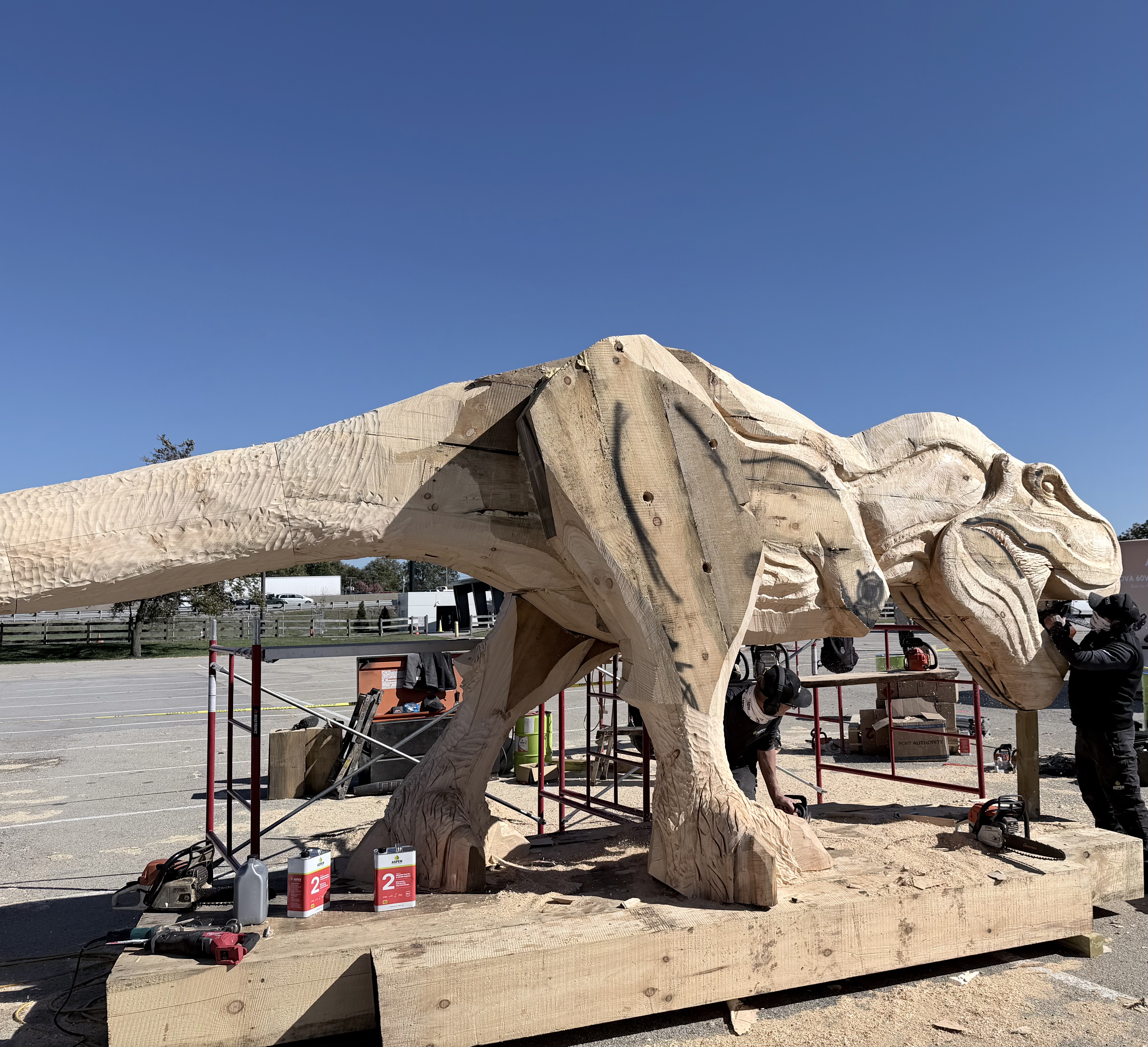
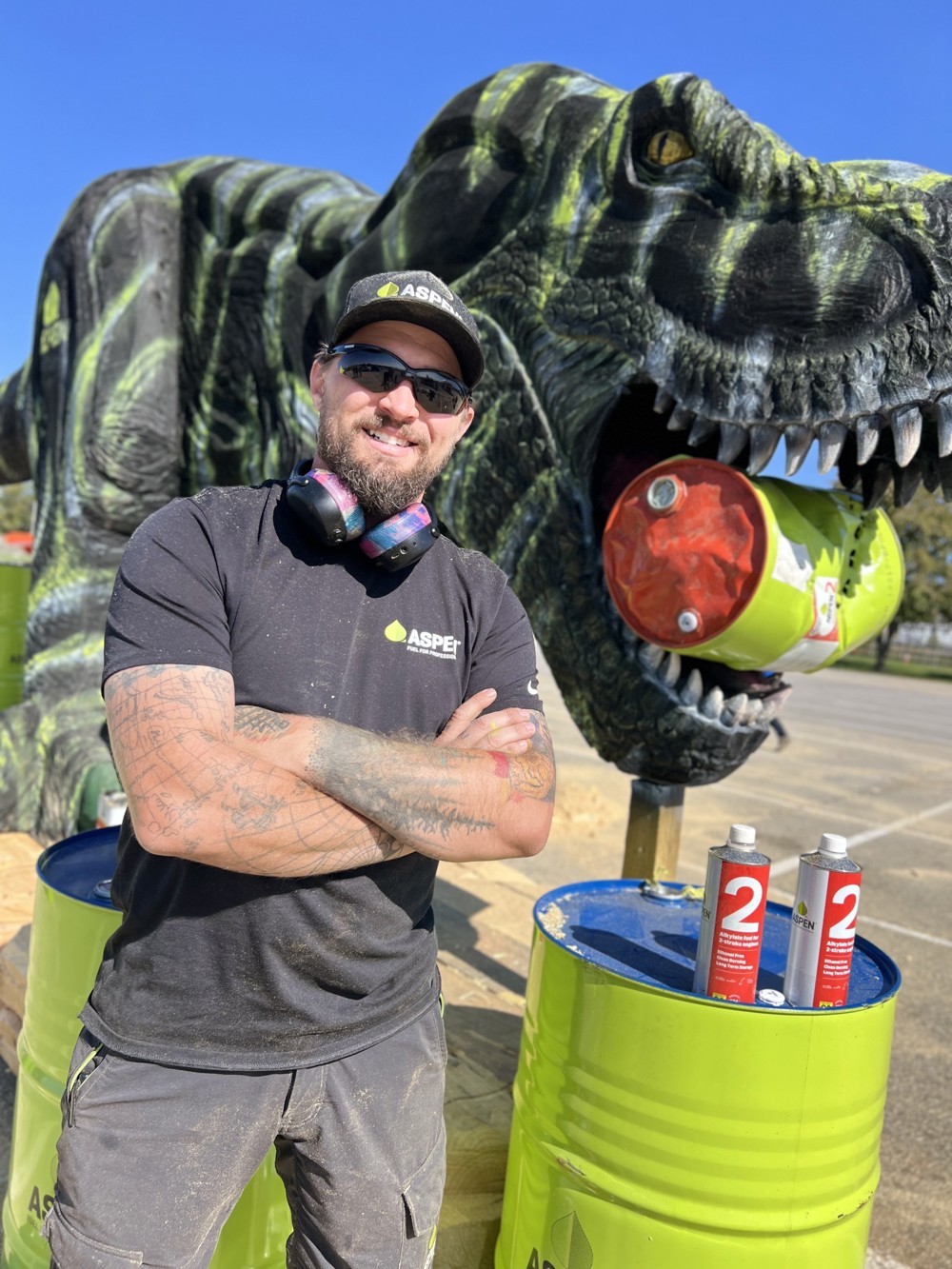
Lawn & Landscape sat down with professional chainsaw carver and Aspen Fuel ambassador Ryan Anderson—known for transforming massive logs into lifelike dinosaurs, monsters, and pumpkins—to talk about his craft, the tools he depends on, and why Aspen Fuel has become essential to his process.
Question: Ryan, you’ve built an incredible career out of chainsaw carving. How did it all start?
RYAN: I started young—around 14 or 15—after watching a competition in Oregon. I was always hands-on as a kid, building model kits and creating things. After a few days of training with a Washington-based carver, I entered my first competition and never looked back. By 19, I had a sponsorship with Husqvarna and was fully immersed in the carving world.
Q: What kinds of materials and tools are you working with day-to-day?
RYAN: Primarily wood—especially red cedar and redwood—but I also carve ice, sand, and massive pumpkins. On a chainsaw sculpture, I use about 20 different tools, mainly chainsaws, angle grinders, die grinders, and drills. The tools have to be reliable; I’m pushing them hard, especially during competitions that can last 24+ hours over several days.
Q: When did Aspen Fuel enter the picture for you?
RYAN: I first encountered Aspen in the UK while competing. Every arborist there was using it—and only it. It wasn't available in the U.S. back then, but the moment it was, I made the switch. Now I’ve been using it exclusively for over three seasons. I will never put pump gas in my saws again.
Q: Why is Aspen Fuel such a game-changer in your line of work?
RYAN: Chainsaw carving is intense. You’re working long hours in varying conditions. Aspen burns cleaner—fewer fumes, less carbon buildup, and a noticeable reduction in “two-stroke headaches” from exhaust. It’s also safer. I carve in semi-enclosed areas sometimes, and Aspen gives me peace of mind that I’m not breathing in harmful emissions.
Q: You mentioned performance—have you noticed real mechanical differences with Aspen?
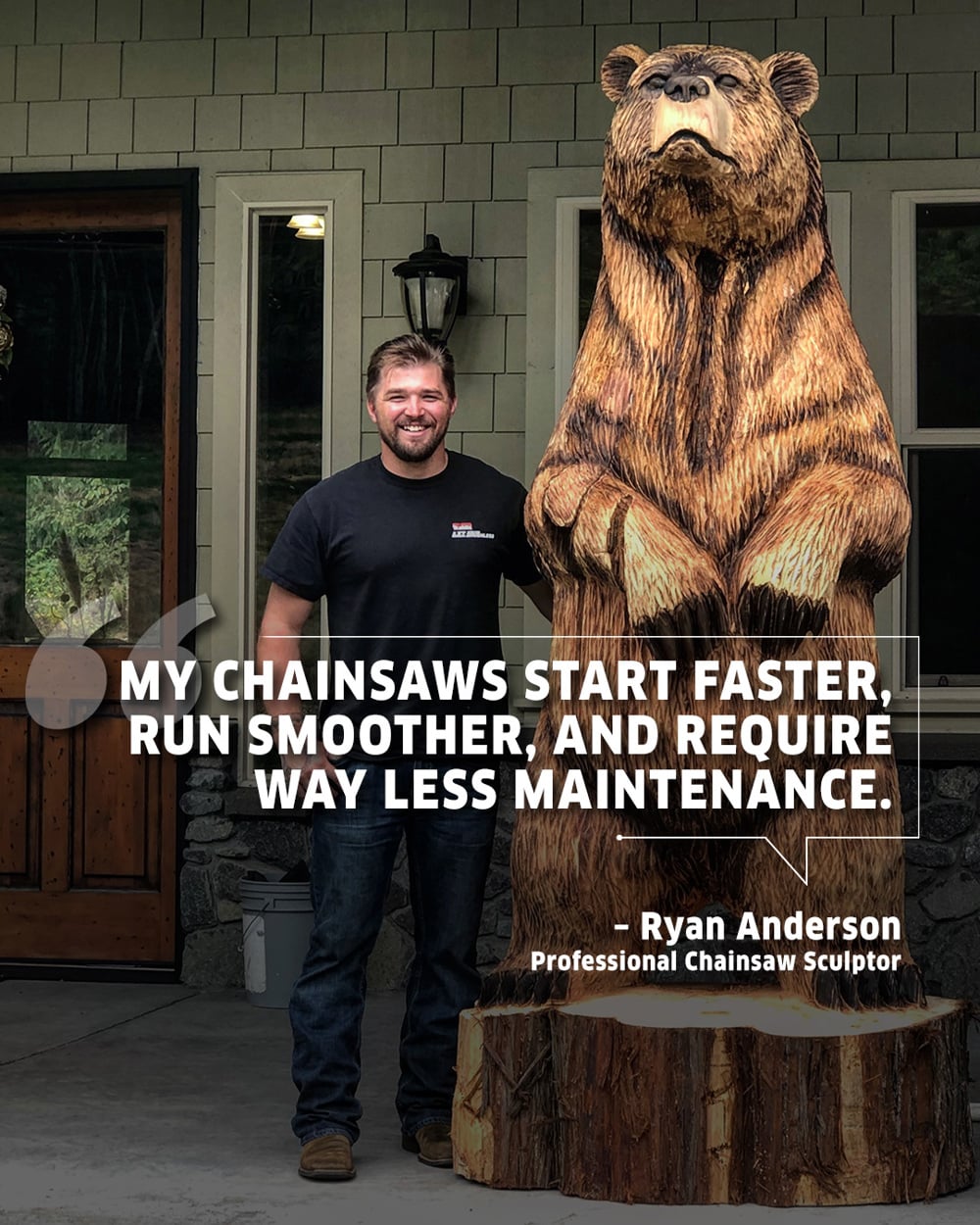
RYAN: Absolutely. My chainsaws start faster, run smoother, and require way less maintenance. Some of my saws have over 600 hours on them with no carburetor issues. And I can leave Aspen in my equipment for months—no clogging, no breakdowns. That reliability is everything, especially on deadline.
Q: PPE is an important element of carving – does Aspen also play a role in your health and safety?
RYAN: 100%. Between carving red cedar and inhaling sawdust, air quality is a serious concern. I wear a powered helmet and take PPE seriously, but Aspen helps too. It produces fewer toxic fumes, which reduces my exposure. I see Aspen Fuel as part of my safety gear—protection for my tools and my body.
Q: What do other carvers think about it? Are they using Aspen too?
RYAN: More and more are. I carry sample bottles with me, and when they see how clean my saws run, they want in. People are realizing that better fuel means fewer breakdowns and longer tool life. It's becoming the standard among serious carvers.
Q: You've carved in some extreme environments. How does Aspen perform in those conditions?
RYAN: Whether it’s 106 degrees in the summer or -40 in Fairbanks, Alaska, Aspen has never let me down. I can trust it to perform consistently regardless of weather, which is huge when you’re competing or working remote.
Q: What’s your message to professionals who haven’t tried Aspen yet?
RYAN: If you rely on your tools to make a living, invest in fuel that protects them—and you. Aspen is worth every penny. It’s not just gas; it’s peace of mind, performance, and protection.